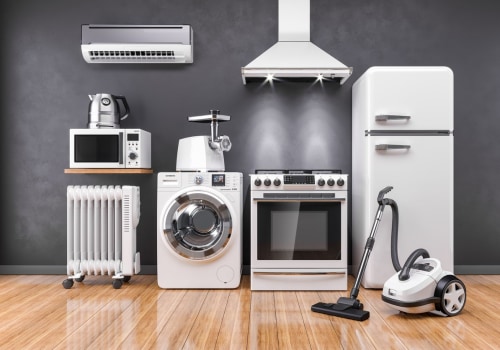
Compact kitchen layouts are increasingly popular, especially in urban homes and smaller living spaces where maximizing functionality is essential. These designs prioritize smart storage, streamlined cabinetry, and efficient appliance placement. However, tighter spaces also mean less room for error when appliances need maintenance or repair. Understanding how appliance repair fits into a compact kitchen design can help homeowners avoid unnecessary disruptions and maintain a smooth workflow.
Common Appliance Challenges in Tight Spaces
In kitchens with compact cabinet layouts, appliances are often installed with minimal clearance to save space. While this creates a clean and cohesive look, it can make accessing appliances for repairs more difficult. Technicians may need to carefully maneuver around cabinetry or even remove panels to reach key components. Refrigerators, dishwashers, and built-in ovens are particularly affected, as they are typically integrated into cabinetry. This makes it crucial to plan for accessibility during the design phase to prevent costly labor or damage during future repairs.
Importance of Proper Ventilation and Spacing
One of the most overlooked aspects of compact kitchen design is proper ventilation. Appliances such as ovens, microwaves, and refrigerators generate heat and require adequate airflow to function efficiently. Without sufficient space, these appliances may overheat, leading to more frequent breakdowns and reduced lifespan. Ensuring that cabinets are designed with appropriate clearances and ventilation gaps can significantly reduce the need for repairs. Homeowners working with experts like Orlando Custom Cabinets often benefit from tailored solutions that balance aesthetics with functionality, ensuring appliances remain accessible and well-ventilated.
Planning for Easy Maintenance and Repairs
When designing or upgrading a compact kitchen, it’s important to think beyond the initial installation and consider long-term maintenance. Features such as removable panels, adjustable shelving, and strategic appliance placement can make a big difference when repairs are needed. For example, leaving a small amount of extra space behind appliances or incorporating pull-out systems can allow technicians to access units without dismantling surrounding cabinetry. These thoughtful design choices can save both time and money while minimizing inconvenience.
Choosing Appliances Suited for Compact Layouts
Not all appliances are ideal for small kitchen spaces. Compact or counter-depth appliances are specifically designed to fit seamlessly into tighter layouts without compromising performance. Selecting the right size and type of appliance reduces strain on both the unit and the cabinetry, lowering the risk of damage or malfunction. Additionally, energy-efficient models often produce less heat, which can further enhance performance in confined areas. Matching appliance specifications with cabinet dimensions is a critical step in preventing future repair issues.
Conclusion
Appliance repair considerations should be an integral part of planning any kitchen with a compact cabinet layout. By prioritizing accessibility, ventilation, and proper appliance selection, homeowners can create a space that is both stylish and practical. Thoughtful design decisions not only improve day-to-day usability but also make maintenance and repairs far more manageable. In the end, a well-planned compact kitchen ensures that both cabinetry and appliances work together seamlessly for long-term efficiency and reliability.