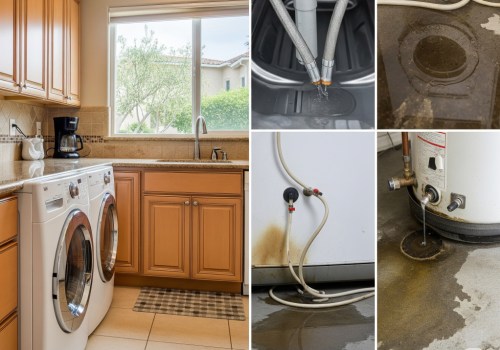
Household appliances are designed to make daily life more convenient, but when they malfunction, the effects can extend far beyond the appliance itself. Refrigerators with faulty water lines, leaking dishwashers, washing machines with damaged hoses, and water heaters with worn components can all release moisture into areas that are difficult to inspect. Because many of these leaks begin slowly, homeowners may not notice them until significant damage has already occurred. What appears to be a minor appliance issue can gradually affect flooring, wall framing, subfloors, insulation, and other structural elements if left unresolved. Over time, persistent moisture weakens construction materials, promotes mold growth, encourages wood rot, and reduces the overall durability of a building. This is why timely appliance repair is not only important for restoring functionality but also for protecting the long-term structural health of a home.
Water Leaks Affect More Than Interior Finishes
Many homeowners first notice water damage through cosmetic signs such as stained drywall, warped flooring, peeling paint, or musty odors. However, these visible symptoms often indicate that moisture has already spread beyond surface finishes into concealed structural components. Continuous exposure to water can weaken wooden framing, deteriorate engineered wood products, corrode metal fasteners, and reduce the effectiveness of insulation. In severe cases, prolonged leaks may even contribute to uneven flooring, sagging ceilings, or compromised support systems that require extensive repairs. Appliance leaks are particularly concerning because they frequently occur behind cabinets, beneath flooring, or inside utility spaces where moisture can remain trapped for extended periods. Addressing appliance failures as soon as they are detected significantly reduces the likelihood of widespread structural deterioration and helps preserve the overall integrity of the property.
The Value of Coordinated Planning and Inspection
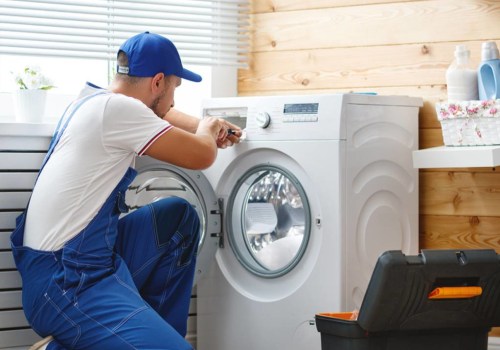
Professional appliance repair technicians play a critical role in identifying the source of leaks before they develop into larger construction problems. During repairs, technicians often discover worn hoses, damaged seals, clogged drainage systems, loose fittings, or deteriorating supply lines that could otherwise continue causing hidden damage. At the same time, collaboration with contractors and engineering professionals may become necessary when moisture has already affected structural components. Companies such as Open Concept Engineering recognize that protecting a building requires more than simply repairing visible damage; it also involves evaluating whether prolonged water exposure has compromised framing, floor systems, or other load-bearing elements. This coordinated approach allows homeowners to address both the immediate appliance malfunction and any underlying structural concerns before they become more expensive and disruptive. Early assessment also supports more efficient restoration by identifying areas that require drying, reinforcement, or replacement while minimizing unnecessary demolition.
Preventive Maintenance Protects Long-Term Building Performance
Routine appliance maintenance provides substantial benefits that extend well beyond extending the lifespan of household equipment. Regular inspections of washing machine hoses, dishwasher connections, refrigerator water lines, water heaters, and other plumbing-related appliances help identify small issues before they develop into significant leaks. Homeowners who replace aging hoses, monitor appliance performance, and respond promptly to unusual sounds or moisture accumulation are often able to prevent costly structural repairs in the future. Preventive maintenance also improves energy efficiency, reduces emergency service calls, and contributes to a healthier indoor environment by minimizing the conditions that encourage mold growth. Ultimately, the connection between appliance repair, water leaks, and structural integrity demonstrates how seemingly minor maintenance decisions can have lasting consequences for the safety and durability of a home. By treating appliance repairs as an important component of overall property care rather than a simple mechanical issue, homeowners can protect their investment, preserve structural stability, and ensure their homes remain safe, comfortable, and reliable for many years to come.