Flooring problems around major appliances can sometimes be dismissed as normal wear, but uneven or sinking areas may point to a deeper structural concern. Refrigerators, washing machines, dishwashers, ovens, and other large appliances place concentrated weight on specific sections of the floor. If the foundation or supporting structure beneath those areas has shifted, settled, or weakened, homeowners may notice sloping floors, gaps, cracked tiles, separating boards, or appliances that no longer sit level. Identifying the underlying cause before replacing flooring can help prevent the same problems from returning.
Recognizing Signs of Foundation Movement
Foundation movement can affect the floor system throughout a home. When one portion of the foundation settles differently from another, the framing or subfloor above it may become uneven. This can be particularly noticeable around heavy appliances because their weight may make existing weaknesses more apparent. A refrigerator may begin leaning slightly, a washing machine may vibrate more than usual, or flooring beneath a dishwasher may develop visible gaps. Professionals such as Bats Foundation Repair can evaluate whether structural movement is contributing to these issues and determine whether foundation repairs should be considered before cosmetic flooring work begins.
Checking the Subfloor Beneath Appliances
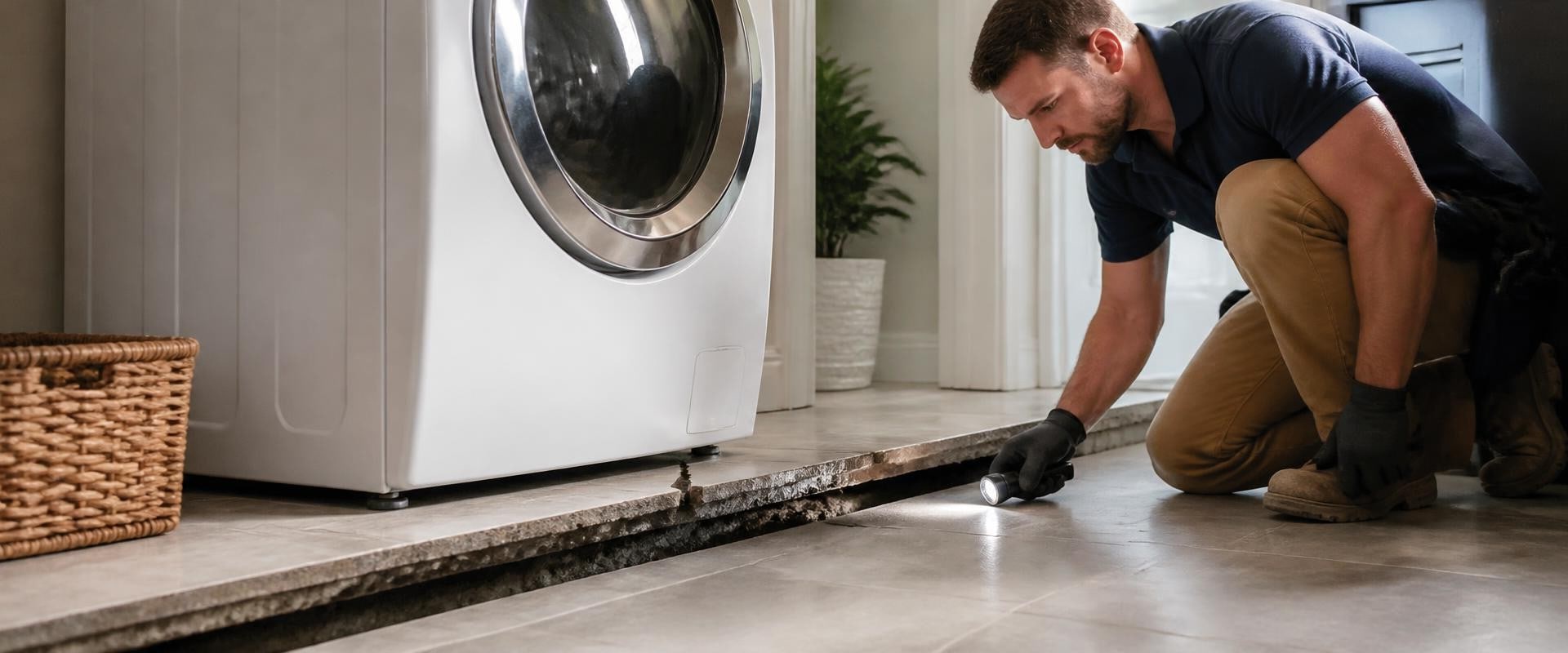
The finished flooring is only one layer of the overall floor system. Beneath hardwood, tile, vinyl, laminate, or carpet is a subfloor that provides structural support. If the foundation shifts, the subfloor may sag, separate, or become uneven. Moisture from leaking appliances can create additional problems by weakening wood materials or affecting nearby structural components. Removing an appliance during renovation or repair may reveal damage that was previously hidden. Inspecting the subfloor and supporting structure can help determine whether the issue is caused by moisture, foundation movement, or a combination of both.
Keeping Appliances Level and Stable
Major appliances generally perform best when installed on stable, level surfaces. An uneven floor can cause refrigerators or ranges to sit improperly, while washing machines may experience excessive movement during operation. Dishwashers and other built-in appliances can also become difficult to align with surrounding cabinetry. Correcting foundation-related movement may help provide a more consistent surface for these appliances. Once structural concerns have been addressed, flooring contractors can make necessary subfloor repairs and prepare the area for new materials.
Avoiding Premature Flooring Replacement
Replacing damaged flooring without investigating the foundation may provide only a temporary improvement. New tiles can crack if movement continues, hardwood boards may separate, and vinyl or laminate may develop uneven areas. Before investing in new flooring, homeowners should determine whether the underlying structure is stable. Completing necessary foundation repairs first can reduce the risk of having to remove recently installed materials to address structural problems later.
Coordinating Foundation and Flooring Repairs
Foundation professionals, flooring contractors, plumbers, and appliance installers may all need to coordinate when problems occur around major appliances. Plumbing leaks should be repaired, damaged subfloor materials replaced, and foundation concerns addressed in an appropriate sequence. This coordination can help prevent one repair from interfering with another.
Creating a More Reliable Surface
Flooring around major appliances must support both everyday foot traffic and significant equipment weight. When unevenness, cracking, or sagging appears, looking beyond the visible flooring can reveal whether foundation movement is contributing to the problem. Addressing structural issues first can create a more stable base for subfloor repairs, new flooring, and appliance installation. By investigating the cause rather than simply covering the symptoms, homeowners can achieve more durable results and reduce the likelihood of recurring flooring problems.